
Big Tech’s Push to Plug Data Centers Directly into Power Plants Sparks Debate
As the demand for cloud computing and data processing grows exponentially, tech giants are seeking innovative ways to secure reliable energy sources for their massive data centers. One controversial approach is connecting these facilities directly to power plants, bypassing traditional utility systems. While companies argue this move is necessary for efficiency and sustainability, utilities and regulators are raising concerns about fairness, equity, and the broader implications for the energy grid.
The Motivation Behind Direct Connections
Data centers, the backbone of modern digital infrastructure, consume enormous amounts of electricity to power servers and cooling systems. According to a 2022 report from the International Energy Agency (IEA), data centers account for about 1% of global electricity consumption, a figure that is expected to rise as digital services proliferate.
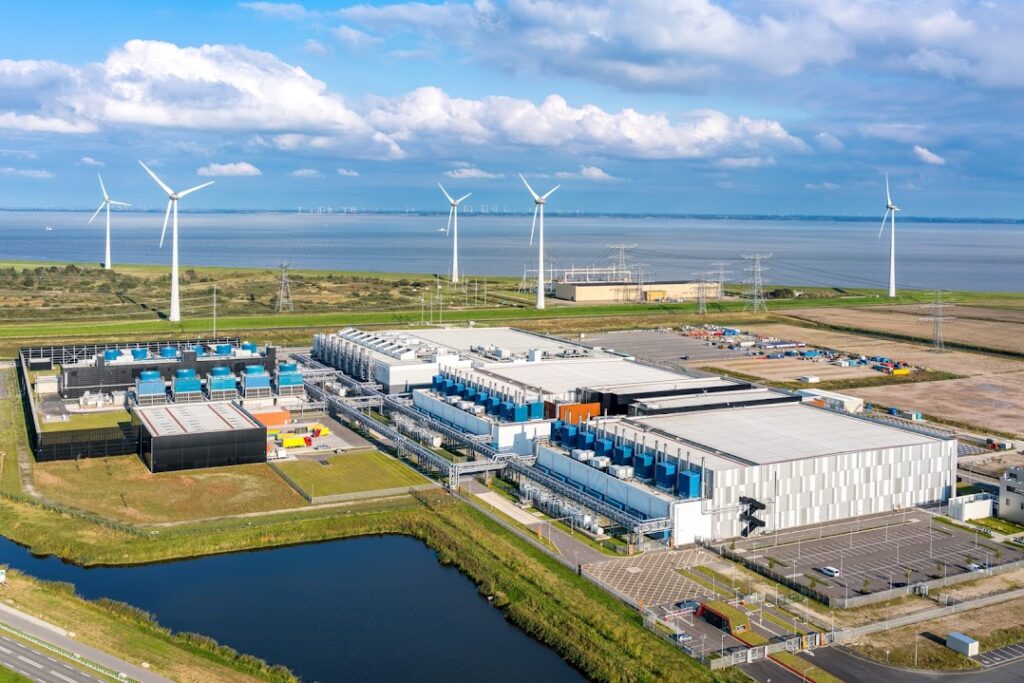
Tech companies like Google, Microsoft, and Amazon are proposing direct partnerships with power plants to ensure consistent energy supply and control costs. These arrangements could involve constructing dedicated power lines or co-locating data centers near power plants, especially those using renewable energy sources. Advocates argue this strategy could reduce energy losses from transmission and help tech companies meet their ambitious sustainability goals.
“By working directly with power plants, we can ensure a steady, green energy supply for our data centers while reducing strain on the public grid,” a spokesperson for a leading tech company said.
Utilities Push Back
Traditional utility companies see these proposals as a potential disruption to the energy market. Utilities are responsible for maintaining the grid, ensuring reliability, and distributing costs equitably among all users. They argue that allowing tech companies to bypass the grid undermines this system.
“Direct connections give big tech an unfair advantage,” said a utility industry representative. “They’re effectively cherry-picking the benefits of our infrastructure without contributing to its maintenance or modernization.”
Utilities also worry that these arrangements could leave smaller customers—such as households and small businesses—bearing a greater share of grid maintenance costs, as the largest consumers exit the traditional system. Critics also point out that data centers are often located in rural areas, where grid infrastructure is already under strain.
Regulatory Hurdles and Policy Implications
The push for direct connections has sparked debates among policymakers and regulators. Many jurisdictions have rules governing how power is distributed and how costs are shared. Changing these rules to accommodate direct connections could set significant precedents.
In some cases, regulators are weighing whether tech companies should pay additional fees or contribute to local energy infrastructure as part of these deals. Others are exploring how to balance the benefits of private investments in clean energy with the risks of creating a two-tiered energy system.
“We need to ensure that innovation doesn’t come at the expense of fairness and reliability for everyone,” a regulator from a Midwestern state said. “The public grid must remain robust and accessible.”
Environmental Considerations
Environmental advocates are divided on the issue. On one hand, direct connections to renewable energy sources could accelerate decarbonization efforts, especially if tech companies invest in new wind, solar, or hydroelectric projects. On the other hand, critics warn that these arrangements could divert clean energy away from the public grid, making it harder for states and regions to meet broader climate goals.
“If tech companies use all the renewable energy for their private needs, it defeats the purpose of a shared transition to a greener grid,” said a representative from an environmental nonprofit.
The Global Perspective
This debate isn’t confined to the United States. Similar issues are emerging worldwide as countries grapple with the energy demands of a digitized economy. In Europe, for example, regulators are considering stricter rules on energy-intensive industries, while in Asia, governments are encouraging public-private partnerships to expand renewable energy capacity.
The Path Forward
As the energy and tech sectors collide, finding a balanced approach will be critical. Policymakers, utilities, and tech companies must collaborate to ensure that innovation benefits society as a whole without exacerbating inequalities or compromising grid reliability.
Potential solutions include:
- Requiring tech companies to pay infrastructure fees when bypassing the public grid.
- Encouraging joint investments in renewable energy projects that benefit both private and public users.
- Implementing policies that ensure equitable access to clean energy for all sectors.
The outcome of this debate will shape the future of energy distribution and digital infrastructure, with implications for sustainability, equity, and economic growth. As big tech continues its push to plug into power plants, the stakes couldn’t be higher.