
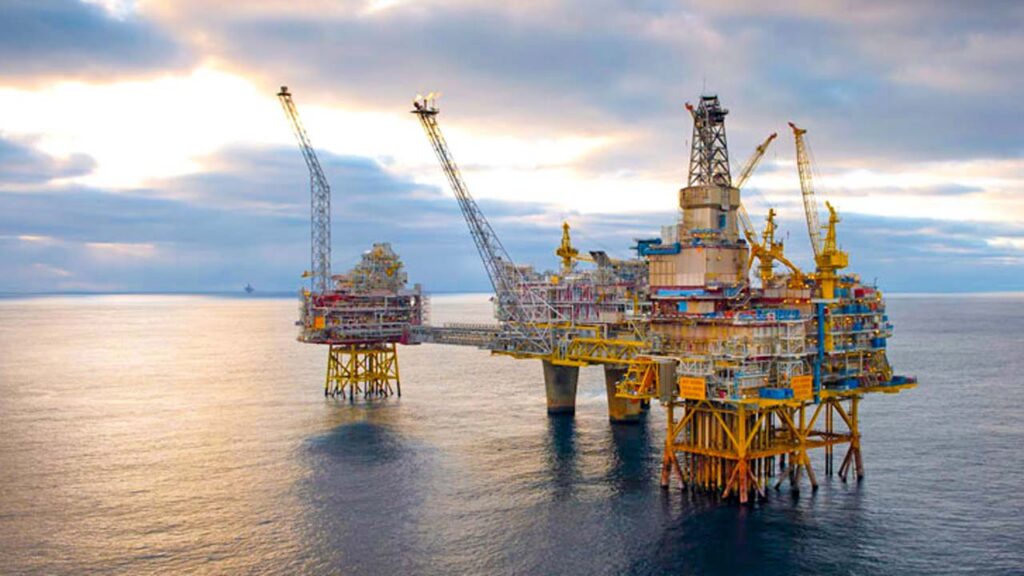
Nigeria has firmly cemented its position as Africa’s top upstream investment destination, with the African Energy Chamber (AEC) lauding recent policy reforms by the Nigerian government. These reforms have reinvigorated the oil and gas sector, fostering an environment that encourages foreign investment, enhances transparency, and stimulates production growth.
Policy Reforms Driving Change
In recent years, Nigeria has implemented sweeping changes aimed at revamping its oil and gas sector. The most notable of these reforms is the passage of the Petroleum Industry Act (PIA) in 2021. This landmark legislation has restructured the regulatory framework, creating clarity and reducing bureaucratic bottlenecks. By separating the roles of regulation, policy formulation, and commercial operations, the PIA has provided a stable and investor-friendly environment.
Key Highlights of the Petroleum Industry Act:
- Fiscal Reforms: The PIA introduced a more competitive fiscal regime, reducing uncertainties around taxes and royalties while ensuring a fair distribution of revenues between the government and investors.
- Host Community Development: To address local grievances, the Act mandates the establishment of Host Community Development Trusts, ensuring that communities benefit directly from oil and gas projects.
- Creation of NNPC Limited: The Nigerian National Petroleum Corporation (NNPC) was restructured into a commercially oriented company, NNPC Limited, enabling it to operate with greater efficiency and competitiveness.
Investment Surge in Upstream Activities
With these reforms, Nigeria has witnessed a surge in upstream investment, particularly in deepwater and gas projects. The country’s vast hydrocarbon reserves—estimated at over 36 billion barrels of oil and 200 trillion cubic feet of natural gas—continue to attract global energy players.
Key Projects Underway:
- Bonga North Project: Shell and its partners are advancing the development of this major deepwater field, expected to significantly boost production.
- NLNG Train 7: Nigeria Liquefied Natural Gas Limited’s expansion project aims to increase LNG capacity by 35%, enhancing the country’s role in the global gas market.
- AKK Pipeline: The Ajaokuta-Kaduna-Kano (AKK) pipeline project is set to revolutionize domestic gas distribution and open up new industrial opportunities.
AEC’s Commendation
The African Energy Chamber (AEC), a leading voice for the energy sector across the continent, has commended Nigeria’s efforts in driving these transformational changes. According to the AEC’s 2024 African Energy Outlook report, Nigeria’s policy initiatives have positioned it as the top destination for upstream investments in Africa, outpacing competitors such as Angola, Egypt, and Algeria.
The AEC has particularly highlighted Nigeria’s success in fostering partnerships with international oil companies (IOCs) and domestic operators, ensuring technology transfer and capacity building. The Chamber also noted the government’s commitment to achieving a just energy transition by leveraging its gas resources as a bridge fuel.
Challenges Ahead
Despite these achievements, challenges remain. Oil theft, pipeline vandalism, and security concerns in the Niger Delta region continue to pose threats to the sector’s growth. Additionally, global pressure to transition away from fossil fuels necessitates that Nigeria diversifies its economy and invests in renewable energy sources.
The Road Ahead
As Nigeria leads Africa in upstream investments, the focus must remain on sustaining reforms, enhancing security, and maintaining investor confidence. The government’s ongoing efforts to digitize operations, streamline regulatory processes, and tackle corruption are steps in the right direction.
Nigeria’s leadership in the upstream sector is a testament to the impact of strategic policy reforms. With continued commitment to innovation and collaboration, the country is poised to drive sustainable growth, not just in its oil and gas sector, but across Africa’s energy landscape.