By Chikwado
Coal’s Decline and the Shift Toward Cleaner Energy in 2024
While coal-fired power remains a part of the global energy mix, 2024 witnessed significant milestones signaling the decline of coal and the rise of cleaner alternatives. Here are five key developments that marked this transition:
1. UK Closes Its Last Coal-Fired Power Plant
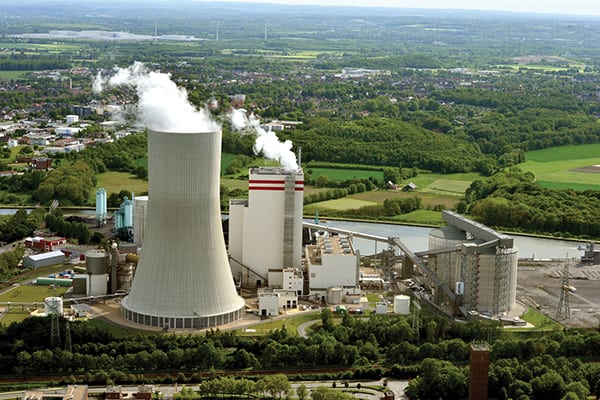
The Ratcliffe-on-Soar power station, located near Nottingham, UK, officially ceased operations on 30 September 2024, marking the end of coal-fired power generation in the United Kingdom.
Owned by Uniper, the plant had been operational since 1967, producing enough electricity to brew over 21 trillion cups of tea. Its closure underscores the UK’s commitment to phasing out coal and transitioning to cleaner energy sources.
2. Ørsted Shuts Down Esbjerg Power Station in Denmark
Danish energy company Ørsted closed its last coal-fired combined heat and power plant, the Esbjerg Power Station, on 31 August 2024.
Situated in western Denmark, the plant had consumed approximately 500,000 tonnes of coal annually, contributing to 1.2 million tonnes of carbon dioxide emissions. The shutdown reflects Ørsted’s broader strategy of moving toward renewable energy and reducing carbon emissions.
3. Fossil Fuel Generation in Europe Hits Record Low
Fossil fuel-based electricity generation in Europe dropped to its lowest level on record during the second quarter of 2024, according to Montel Analytics.
This period also saw record-breaking solar power generation and the highest-ever wind output for a second quarter, driving renewable energy production to unprecedented levels. The surge in renewables even led to an increase in negative day-ahead electricity prices across the continent.
4. Coal-to-Nuclear Transition Gains Momentum in the US
Researchers from the University of Michigan published a groundbreaking study identifying 245 operational coal power plants in the United States as suitable candidates for conversion into advanced nuclear reactors.
Titled Investigation of Potential Sites for Coal-to-Nuclear Energy Transitions in the United States, the study is being hailed as the most comprehensive analysis of its kind. This strategy is actively being explored by utilities and the Department of Energy as part of the nation’s clean energy transition.
5. EPA Issues Final Power Plant Pollution Rules
The US Environmental Protection Agency (EPA) introduced final rules to reduce emissions from coal-fired and new natural gas-fired power plants.
These regulations aim to cut air, water, and land pollution while supporting the long-term clean energy investments of the power sector. The EPA projects that these measures will eliminate 1.38 billion metric tonnes of carbon pollution by 2047.
A Transformative Year for Clean Energy
The announcements and actions of 2024 highlight the growing global momentum toward cleaner energy solutions, as coal loses its dominance in the power sector. From plant closures in the UK and Denmark to innovative transitions in the US and record renewable generation in Europe, the shift toward a more sustainable energy future is unmistakable.