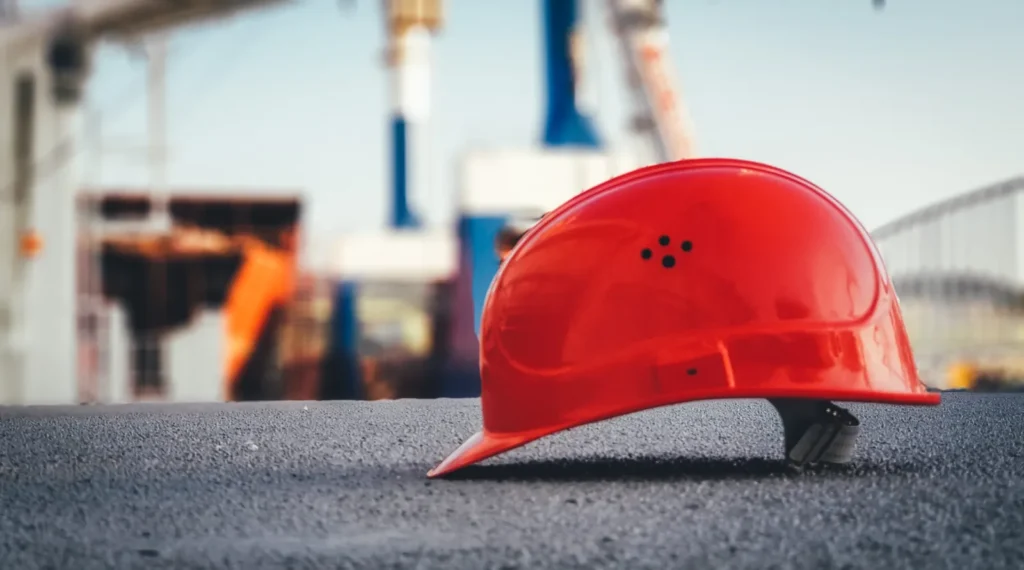
Construction sites can consist of multiple risks to both workers and members of the public. In fact, data from the HSE shows that the construction industry is the second most dangerous sector after agriculture – with 2,880 non-fatal accidents reported per 100,000 workers in the year up to 2022.
Risk assessments can help reduce the number of accidents and injuries but one area which looks set to change the safety landscape in construction is the advent of artificial intelligence.
There are now new technologies that can improve safety, create more efficiency and contribute to overall productivity.
Automated risk mitigation
There are often multiple workers involved in any one construction project. AI technology such as cameras attached to safety helmets can help provide insights on what aspects should be targeted as priority.
This can make it easy to focus on high-risk workers and identify areas of a site that might be lacking in safety equipment or risk management procedures. It also means that potential risks are captured in real-time and applied to actual situations, instead of those responsible having to predict certain hazards.
Data sharing also means that notifications can automatically be sent to health and safety managers, allowing hazards to be dealt with quickly and effectively.
Building monitoring
Combined with video surveillance, AI can help increase the security of construction sites. It can detect site intruders and potential vandals via remote surveillance and send alerts to the necessary managers.
Using technology-based security also has the advantage of being able to leave a site unattended and reduces the need for extra security staff.
Despite the ability to identify threats in real-time, it’s still important for construction managers to take out builders’ insurance in case of any unwanted damage or theft.
Risky behaviour detection
AI is based on machine learning and therefore can be taught to detect risky behaviour on construction sites such as workers not wearing the right PPE, crossing safety lines or risky vehicle use.
Are there any downsides to using AI in construction?
While AI can produce many positive results in the industry, it might take time for workers to get on board with the technology. Some will no doubt fear AI will take over jobs while others might frown upon what they perceive as continuous surveillance.
However, when it comes to safety, it’s clear that the advantages outweigh the negatives. Rather than replace workers, AI is more likely to enhance human-created protocols and work alongside safety managers to improve risk management. As AI is increasingly rolled out across many industries as part of the UK government digital strategy, sites, buildings and sites across the country will become a safer and more efficient place to live and work.