Burkina Faso Establishes $25 million Tomato Processing Plant to Boost Agriculture and Economy
By Chikwado.
In a groundbreaking development for Burkina Faso’s agricultural sector, a new tomato processing plant has been inaugurated, signaling a significant step toward industrialization and value addition in the country’s agricultural production. The facility, located in the agricultural hub of Loumbila, is expected to revolutionize the local tomato market and enhance the livelihoods of farmers while contributing to the nation’s economy.
Addressing Agricultural Challenges
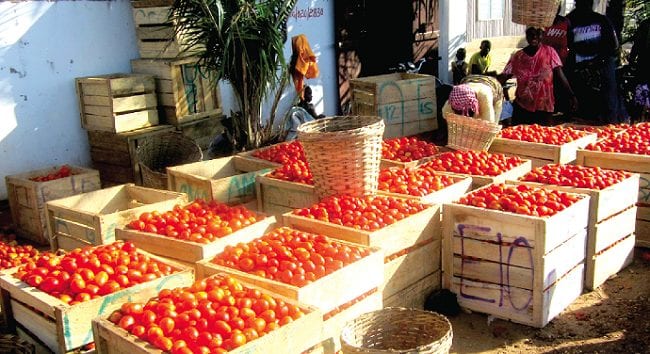
Tomato farming is a vital component of Burkina Faso’s agricultural economy, yet farmers have long grappled with challenges such as post-harvest losses, fluctuating market prices, and inadequate infrastructure for value addition. The establishment of the processing plant aims to mitigate these issues by providing a stable market for farmers and reducing waste through efficient processing techniques.
A Game-Changer for Local Farmers
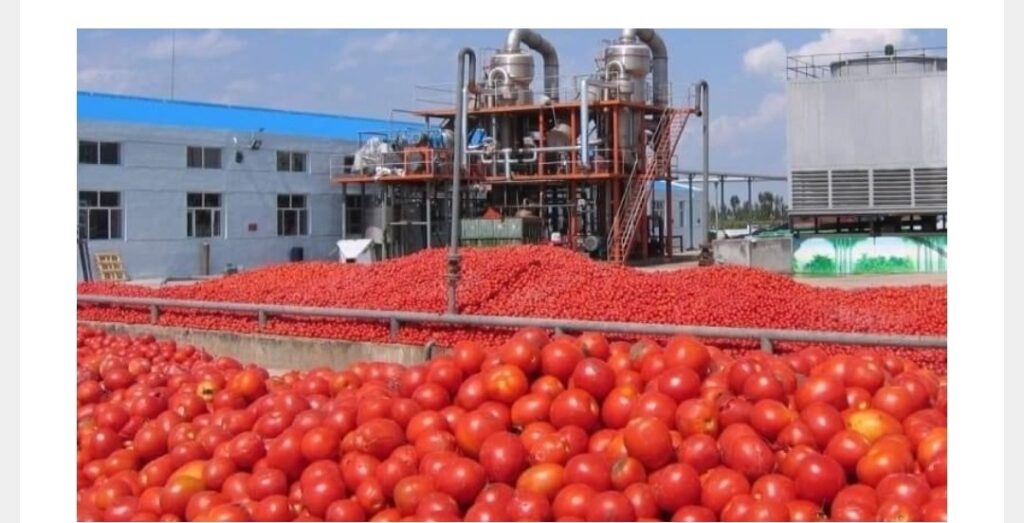
The plant, equipped with state-of-the-art technology, has the capacity to process thousands of tons of tomatoes annually into a variety of products, including tomato paste, sauces, and canned tomatoes. This initiative not only ensures better pricing for farmers but also creates a steady demand for their produce.
“This plant is a lifeline for farmers like me,” said Issa Kaboré, a local farmer. “We now have a guaranteed buyer for our crops, and we can focus on improving the quality and quantity of our harvests.”
Economic and Employment Opportunities
Beyond its agricultural impact, the plant is expected to generate hundreds of jobs, ranging from farming and supply chain roles to technical and administrative positions within the facility. By fostering local employment, the plant contributes to poverty reduction and rural development in a country where agriculture is the backbone of the economy.
Public and Private Sector Collaboration
The project is a collaboration between the Burkinabé government, private investors, and international development partners. Funding and technical expertise have been provided by institutions such as the African Development Bank and the United Nations Industrial Development Organization (UNIDO). The total cost of the agreement is estimated at $25 million.
“This processing plant exemplifies what can be achieved when public and private sectors work together,” said Minister of Agriculture Moussa Zerbo. “It’s a model for sustainable development and agricultural transformation in Burkina Faso.”
Impact on Food Security and Export Potential
The plant is poised to enhance food security by reducing dependency on imported tomato products and encouraging self-sufficiency. Additionally, it opens up export opportunities for Burkinabé tomato products, particularly to neighboring countries in West Africa, thereby increasing foreign exchange earnings.
Looking Ahead
The establishment of the tomato processing plant marks a significant milestone in Burkina Faso’s journey toward agricultural modernization and economic diversification. By addressing critical challenges in the tomato value chain, the facility stands as a beacon of hope for farmers and a catalyst for broader economic growth.
As the plant begins operations, stakeholders remain optimistic about its potential to transform the agricultural landscape and improve the standard of living for thousands of Burkinabé citizens. The success of this initiative may serve as a model for similar projects across the region, fostering a sustainable and prosperous future for West Africa.